Thứ Sáu, 30 tháng 1, 2015

Near Earth Objects

"They never knew what hit them"

During the course of human history, we have witnessed many horrifying and destructive events, both naturally and man-made. Because of this, we have developed the habit of predicting the future. Doesn't matter if the prediction is a couple days, months, years, or centuries away, doesn't matter if the prediction is highly illogical or is scientifically possible, we will still try to predict what bad things can happen. Because by doing so, we feel like we can be prepare for what's waiting ahead of us. I remembered hearing someone said that: "The things that we should fear aren't that we've known of, but rather that which we have no clue about." Since human are afraid of things they don't know or isn't familiar with, by predicting the future, we can feel safer about our everyday life (even though that's not always the case).
So today we're going to talk about one of the hottest topic regarding predictions about the future: "How the world will end". World wide destruction was popularized in society thanks to movies, comics, books, social media, and many other sources. But that wasn't the first time this idea is popular in human culture. For thousands of years, people from every culture has been predicting when and how the world will end. Dates for apocalyptic events have been predicted to as early as the year 66 - 70 CE where humanity was supposedly to end after a huge war. Following that are dozens of predictions ranging from destructive asteroids, cosmic alignments, deadly pandemic, to the return of Jesus, and heat ray of the universe. Many of these theories luckily didn't come true, but there are still many left, all saying that life as we know it will end some time in the future.
Sadly, we can't talk about all of them in just one blog. So today, what I'm going to talk about are NEOs. No, not the bad ass main protagonist in the Matrix series (although that would be awesome). I'm talking about Near Earth Objects.
Near Earth Objects are comets and asteroids with orbits that bring them to close proximity with Earth. They ranged from a couple hundred meters to more than a kilometer wide and are considered very dangerous because of the amount of force they can exert on the Earth when hit. To know how much damage an asteroid can cause, lets imagine this: An asteroid the size of a house would have the same damage as the bomb dropped in Hiroshima. An asteroid the size of a 20-story building would be able to destroy most major cities in the US. And an asteroid a mile (1.6 km) wide would be able to destroy almost the entire US, launching million of tons of dust into the air, blocking sunlight and kill all living things on Earth. Oh, and on top of that, the asteroid that killed the dinosaurs 66 million years ago was at least 10 kilometers wide and had more energy when impact than the most energetic known volcano eruption. Imagine an asteroid was to hit the Earth right now, the consequences would be horrifying.
But luckily, we were able to survive this long thanks to our little friend named Earth's atmosphere. What you might've not know is that the Earth is bombarded with asteroids everyday. Scientists estimated that around 18000 to 84000 asteroids come into Earth's atmosphere every year (that's 50 to 230 each day). But since these are quite small, they are burned up and reduced to dust thanks to the atmosphere. Without out, what Earth might look like now wouldn't be much different from the Moon.
But you might be asking yourself this: what would we do if one of those 1 mile wide asteroid where to come in contact with our planet? It is believed that an asteroid about 100 to 500 meters wide is enough to penetrate the atmosphere. So a 1 mile wide asteroid would most likely to hit the Earth. Luckily for us, we possess the technology to divert, not destroy, asteroids or comets about 1 km wide coming toward Earth. By using our rockets and explosives, it's possible to change the direction of the NEOs so that its trajectory would miss Earth.
But there are 2 problems here: one, we don't know what to expect, as a fair amount of NEOs that are assumed to exist still haven't been discovered or keeping track of (estimated to be about 7%) ; and two, to do something like diverting a NEO's trajectory would take years to accomplish (finding its location, trajectory, mass, then calculating how much explosives are enough, then getting the funds, building the rocket...) That's one of the reason why we need to predict the future. So that we can be prepare if something like a 1 mile wide asteroid was to hit the Earth. The dinosaurs went extinct because they weren't aware of what's coming and wasn't prepare to stop it or surviving it. But with the technologies we now have, diverting an asteroid has became a possibility (although a very difficult one to achieve).
So what can we do if an NEO is going to destroy Earth? Well not much. Unless you work in a government of a country with the ability to send rockets into space to stop the NEO otherwise you can only hope that the NEO would miss Earth. So for now, I suggest that you live life to the fullest so that when an asteroid come to destroy Earth, you won't have any regrets. (Sorry for the sad ending)
Near Earth Objects: http://en.wikipedia.org/wiki/Near-Earth_object
Destructive capability of an asteroid: http://science.howstuffworks.com/nature/natural-disasters/asteroid-hits-earth.htm


Thứ Hai, 19 tháng 1, 2015

Racism

"Racism is man's gravest threat to man - the maximum of hatred for the minimum of reason."
Abraham Joshua Heschel
Racism is a problem that appears in many, if not every, countries around the world. From poor, uneducated developing countries to economically and educationally advance developed countries, racism seems to appear in every aspect of society. 
Racism is very dangerous because it makes people ignorant, self-centered, thinking that their race is superior and showing disrespect to people of other races. This can often lead to conflicts, either verbally or physically, and can lead to serious consequences. If you've been watching the news recently, you might've heard of the story of Michael Brown, an unarmed black kid who got shot by a white policeman, That story cause a huge uprising in the black community in America. Hundreds of people went down the street and protesting for rights and equality. That's the kind of effects that racism can cause nowadays.
Not only that, the problem is getting bigger, more serious, and more complex with the involvement of Internet. Internet has unintentionally became a place where bad beliefs are spread, especially ideas about racism and stereotypes. If you've ever been to websites where people can talk to each other and sharing their thoughts, there's a high chance that you've seen comments that are related to racism and stereotypes like: "Americans are fat, white people are racists, Japanese are weird..." What started out as a harmless joke became a serious issue in the future because many people are getting expose to these racist and stereotype ideas. And the more people seeing someone talking about it like it's some sort of joke, they'll eventually do the same because they think it's funny and cool. A term or idea that might've been extremely racist can become a social trend or a running gag in an online social community. And that's why the Internet plays a big role in spreading racism.

It's a sad world that we're living in, where people constantly hating on each other because of the color of their skin. Hopefully, in the future, more people will be properly educate so that everyone can be aware of how bad and pointless racism truly is. Only then, in my opinion, can racism be truly stop.

"Our true nationality is mankind"
H.G. Wells

Thứ Hai, 29 tháng 12, 2014

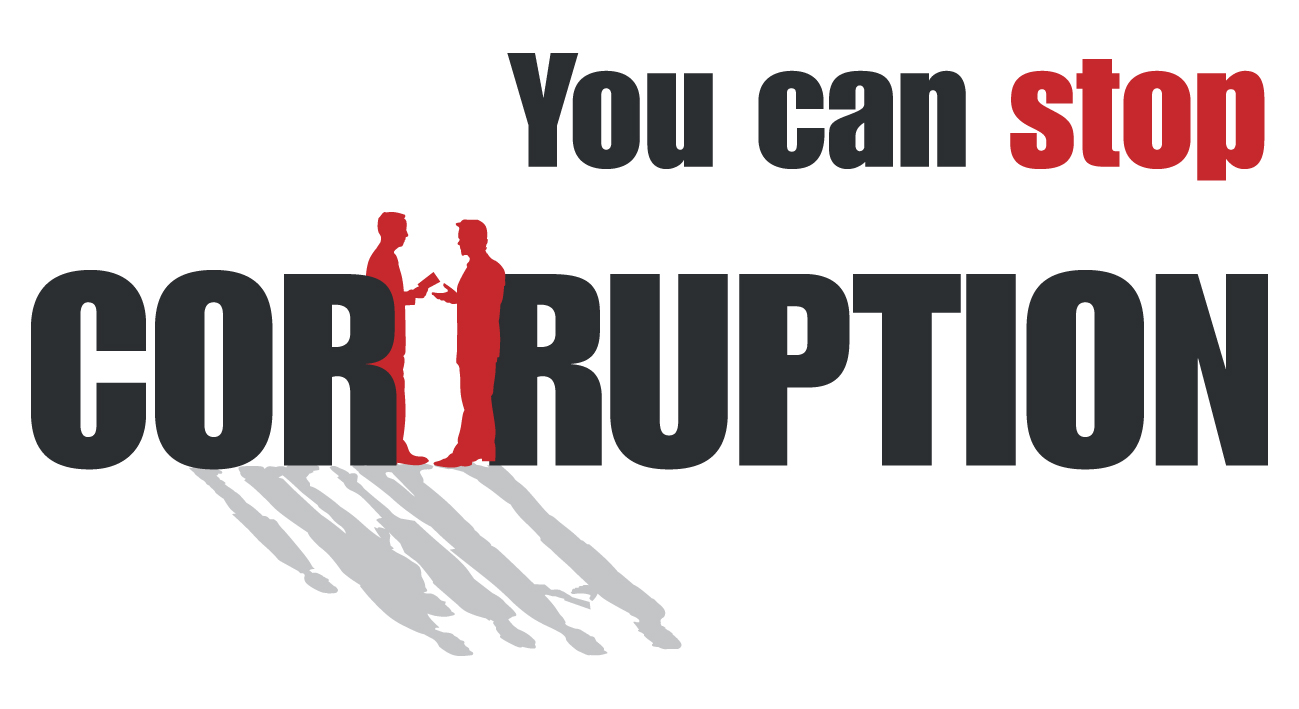
Corruption

Many of you readers out there may have heard this term before. Heck, many may have already experienced corruption in their daily lives. Corruption is something that has appeared thousands of years ago, back to the time where people would bride officers or landlords either to gain some sort of benefits or to escape a certain crime. Nowadays, corruption has became more powerful than ever. From petty things like bribing a police officer to avoid getting a ticket to grand schemes between corporations and government officials, corruption is something that can and may have already infested many aspects of our lives. So today I'm going to talk about what is corruption, what are the causes, and possible future solutions.


Let's start with the definition. Although corruption has many different meanings, today we're only going to talk about corruption as "an illegal, bad, or dishonest behavior, especially by people in positions of power." (Cambridge Dictionary) In real life corruption works kind of like a trade (an illegal trade, that is). For example, an individual or group who wanted to gain a certain benefit that is hard or even impossible to get without breaking the law. What they would do is they would find the person in charge or has the authority to grant them what they want. Then they would try to "negotiate" with that person to see if there's any way this person can help them achieve their goals. You would think that this person would refuse to accept such an absurd favor. But sometimes the two sides might come to an agreement where this person would grant them what they want (even if it's illegal to do so) in exchange for something in return (usually a large amount of money). That't what corruption is.


So to sum up, corruption is the illegal act of exchanging of money (or other things) for some sort of benefits between an individual or a group and the people with power. It's important to know that corruption only happens when there's people with power involve. Giving 5 bucks to your brother so he wouldn't disturb you when you're playing League of Legends is not corruption. But giving 5000 dollars to tax collector so you can pay lower tax is. Remember that corruption acts are illegal, so if it's legal to pay money for a certain benefits then it's not corruption.


Now let's talk about the different kinds of corruption. There are three kinds of corruption: petty corruption, grand corruption, and systematic corruption. Petty corruption occurs at a small scale, usually between people or people and public servants, and does not seriously affect any systems. Grand corruption occurs at the highest levels of government and can significantly damage the economical, political, and legal system of a country. Systematic corruption occurs inside a system of a weaken corporation or company. Although petty corruption occurs most frequent, it's grand corruptions that seriously alter our way of life.The good new is, these don't occur most often. The bad new is, people who are involve in grand corruption usually have enough power to escape charges once they are exposed.


There are many different methods of corruption like bribery, embezzlement, theft, fraud, extortion, blackmail...Although each one is different from another, many of them was caused by the same reason: "systems that don't work well and create bad incentives" (The World Bank). Although corruption can be cause by bad ethics in people, there are other causes like: an opportunity to earn some cash, little chance of actually getting caught, bad incentives, and the diregard of the law by people because of their attitudes or circumstances that they're in. Therefore, corruption is not about ethics but also how systems are govern as well.


So what are the solutions to corruption? Well, since corruption is illegal, there are government officials and organizations who are working hard in order to erase corruption from governments around the world. What need to be done is that governments and systems need to improve in order to prevent corruption from happen. An important thing to know is that corruption is a group kind of thing. No single individual dare to commit acts of corruption because he or she is too scare to get caught. But if several people were to commit it together, it makes them feel more safe and more willingly to continue their acts. Therefore, if governments and systems can be improve so that no one wants corruption to happen, corruption would be erase.


So what can you do? Well for small readers out there, you can help by spreading the news about corruption to people so they can be aware of the problem. For adults, if you experienced corruption in your daily life and you wanted it to change, report it to the government so that they can help stop corruption from continue. If you have any other ideas of how corruption can be stop, feel free to share in the comments so that everyone will know how corruption can be stop. Just remember that corruption is something people do to gain unfair advantage. And if you help stop it from happening, the world can become a better place.
Ps: Sorry for the cheesy ending.

Corruption:
http://en.wikipedia.org/wiki/Corruption#Methods
http://www.corruptionwatch.org.za/content/what-corruption
https://www.unodc.org/southeasterneurope/en/Corruption.html
Cause of Corruption: http://info.worldbank.org/etools/docs/library/35971/mod04.pdf


Thứ Sáu, 5 tháng 12, 2014

Natural Disaster

Ever since the beginning of mankind, humans have been under the mercy of Mother Nature. When she's happy, Mother brings us warm sunshine and breezy cool winds. But when Mother Nature is angry, she can be a force to be reckon with. From storms, typhoons, tornados, to earthquakes, sandstorm, volcanic eruptions, to tsunami, thunderstorm, and hail storm, Mother Nature has put many of us through hell again and again, testing us with her bag of tricks to see if we can adapt and survive. Even though we usually live through after one of her "mood swing", the effects left by these natural disasters are catastrophic. So for today, I'm going to talk about natural disaster and the effects of it on mankind.
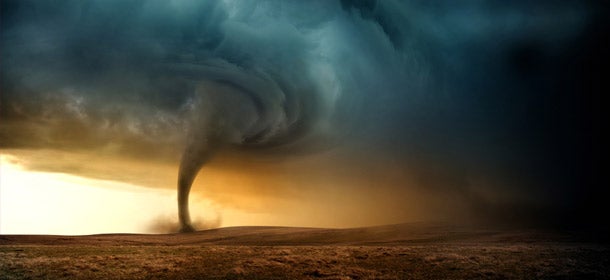

Natural disasters come in many forms. From the horrifying terror from the ground, the destructive force from the ocean, the unholy nightmare from the sky, to the mystifying unknown from space, nature have proven to us that even though humans have been developing for thousands of years, we are still no match to its awesome yet terrifying power. But since there's many different types of natural disasters, if I try to cover them all, the blog would be too long and you would just soon give up. So instead in this blog I'm just going to go over some key informations about what cause natural disasters, their effects, and what have humans done in trying to prevent it.


There are many ways to divide the different causes of natural disasters; but in my opinion, these causes are divided into 4 categories: natural disasters cause by the movement of the Earth, natural disasters caused by the weather, natural disasters caused after another natural disasters, and natural disasters caused by factors in space.


The first one occurs whenever the Earth, and by that I mean the very ground you and I are standing on, move. It's a well-known fact that Earth's land are constantly moving. Even though the speed is not very fast (~5cm/year), it can still cause massive destruction. And the worse part is that these kinds of natural disasters are very difficult to predict and is impossible to stop. What we can do is to take action to limit the damage and loss of life when they occur. Examples for these kinds are: earthquakes, volcanic eruptions, and tsunamis.


The second one occurs whenever the weather becomes extreme to the point where it begins to cause damage. These include typhoons, hurricanes, tornadoes, extreme heat (drought), or extreme cold weather (snowstorm). Unlike the ones above, these events can usually be detected so warnings can be put out. This is one way to minimize the damage and life loss from hurricanes and tornadoes. But sometimes these disasters come without a warning, and the only thing you can do is to hide inside your house and hope it depletes or go away.


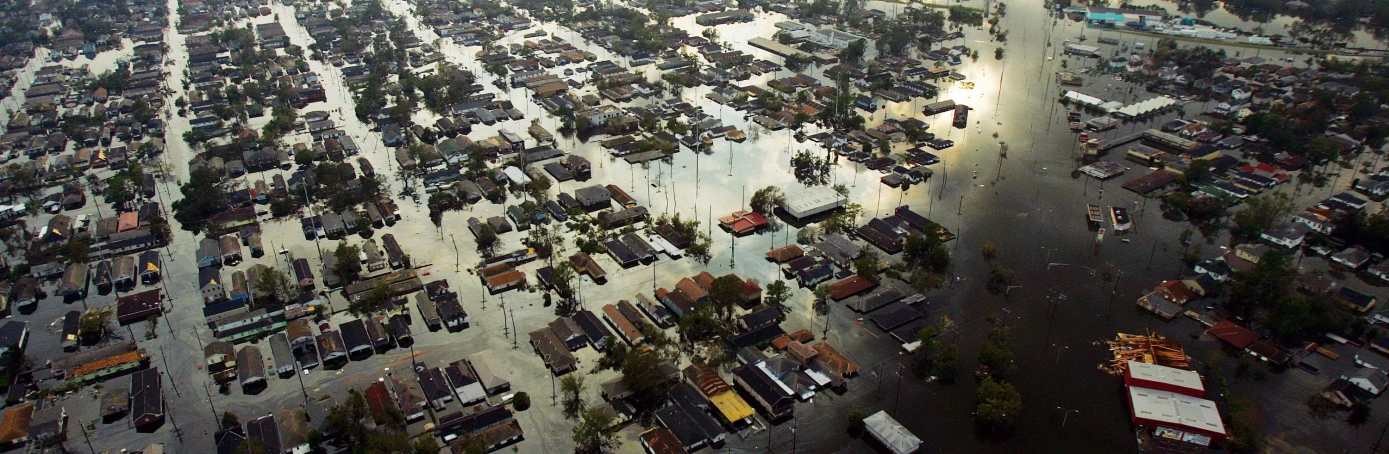
The third ones include landslide, flood, mudslides, basically things that stay after a natural disasters. Even though they aren't usually fatal to humans, they do make people's lives miserable by destroying and taking away houses, crops, furnitures, equipments, money... Luckily these can be spotted or expected earlier on so people can take their properties with them to they wouldn't get lost.

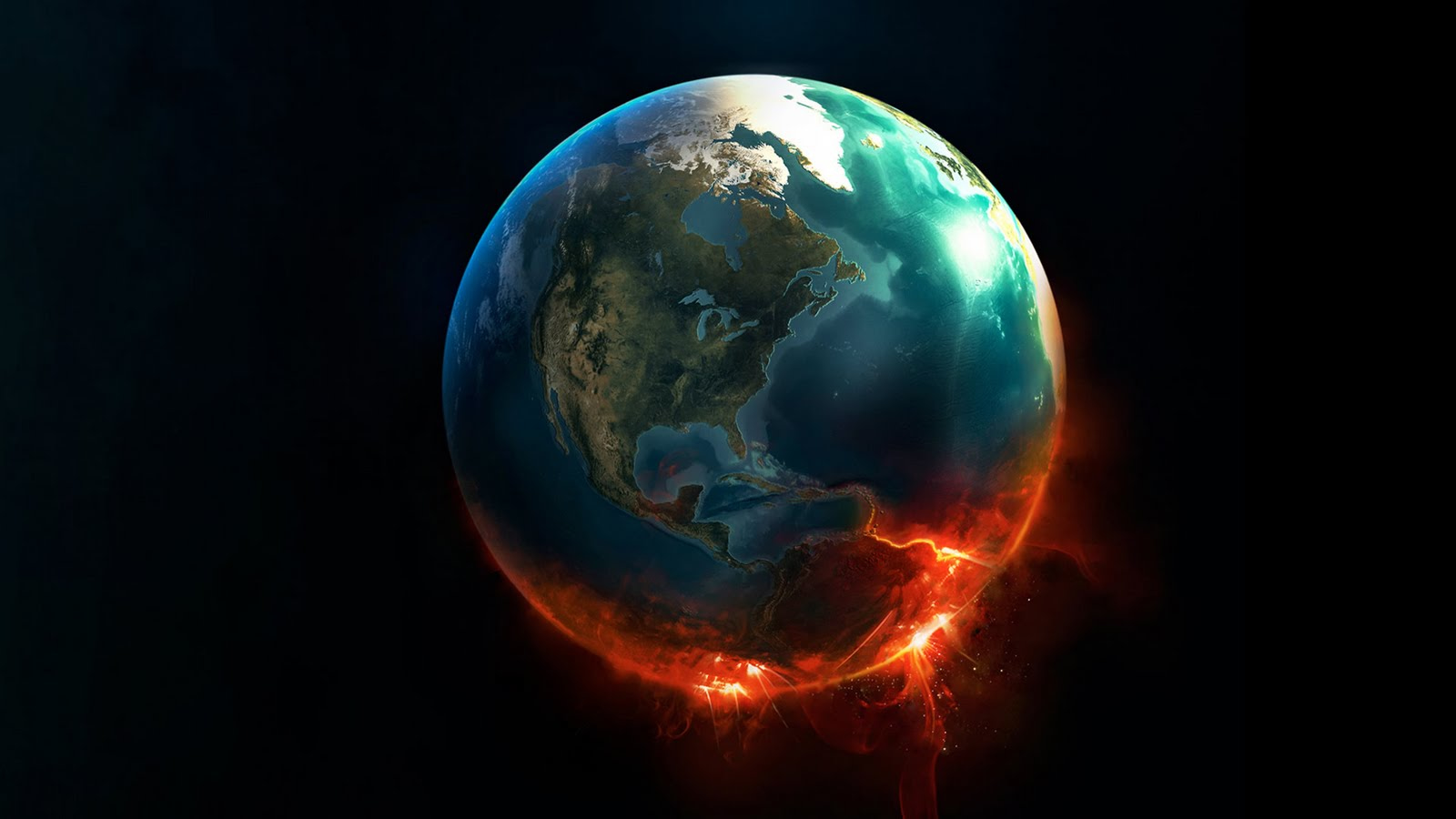
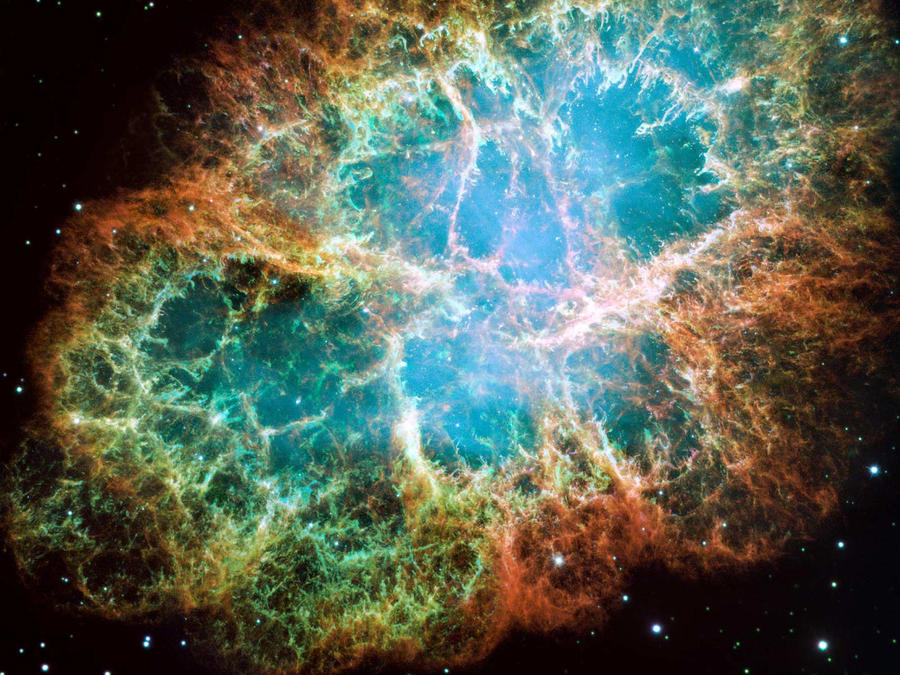
And finally, the most destructive, mysterious, and highly unlikable type of natural disasters: things from spaces. Why is it the most destructive? Because things come from space are usually huge in size. Even though we have the atmostphere to protect us by burning these objects into oblivion before they reached the ground, there are still objects that are too big to be completely burn out. And it's these kinds of objects that have horrifying destructive force. Think about the asteroid that wipe out the dinosaurs 66 million years ago. But that's not all, there are still tons of things in space that can completely obliterate our planet, for example black holes, supernovas, hypernovas, and even rouge planets. But since the chance that any of these events occur near enough to have an impact on Earth is infinitestimally small, we can relax and not have to worry about the total annihilation of Earth. But when they do occurs, well, there's not much we can do but accepting our fate. Sounds kinda grim, don't you think?
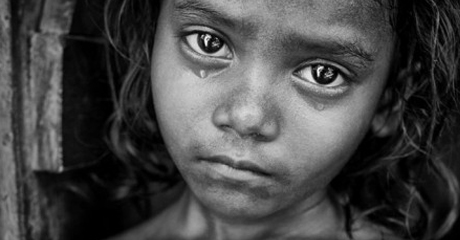
Finally, let's talk about the effects of these natural disasters. I think it's pretty clear that they did a lot of destruction, destroy billions of dollars worth of properties, and probably steal millions of lives. Many people became poor after natural disasters because all of their properties have been lost. Many more became weakand injured without a health service to help them. Many died, leaving their families on their own with all the burden. Many people starving because all the food have now gone. And many emotionally scarred for life because of the dramatic experience this have bring them. No matter what the natural disaster is, they would always left with destruction behind them, both physically and mentally.
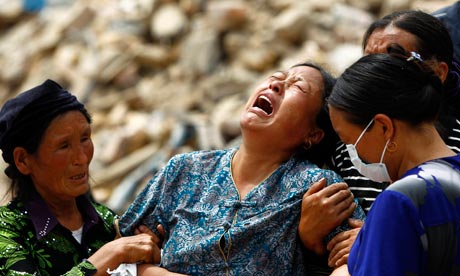

So what can you do to help them? As I've stated in my previous blog, you can do anything you want, as long as you think that that can help people to overcome these problems (unless that something is illegal or immoral). If you are students, you can spread the informations, or maybe collect for charity, or maybe raise funds, or even create a club to help solve it. If you are a politican, you can suggest that the government do more to help the people who have been through these natural disasters to get back on their feet and return to their normal lives. If you are a scientist, try creating things that can help prevent these natural disasters. No matter if it's an invention, an idea, or simply a fun thought, if you think it can help protect people around the world from natural disasters, go do it. No matter who you are, if you think there's something you can do to help people to overcome natural disasters, then I suggest you start now. Yes! you, the person sitting in front of the screen reading these very words, go do what you think is helpful to the world. Go, now! And I'll see you in the next blog.

        
Natural Disaster: http://www.earthtimes.org/encyclopaedia/environmental-issues/natural-disasters/
Impact of Natural Disaster: https://www.childfund.org/the-devastating-impact-of-natural-disasters/

Thứ Sáu, 28 tháng 11, 2014

Clean Water

Water is one of the most important factors in sustaining life. Every single organism on Earth, no matter how big or how small, need water to live. That goes the same for us humans, too. But the weird thing is, even though water is very important for our body, a large amount of water a person use a day is not for drinking, but for many other reasons such as washing, cleaning, gardening, planting... So for us, water is important not only for maintaining a healthy body, but also for doing other daily activities as well.


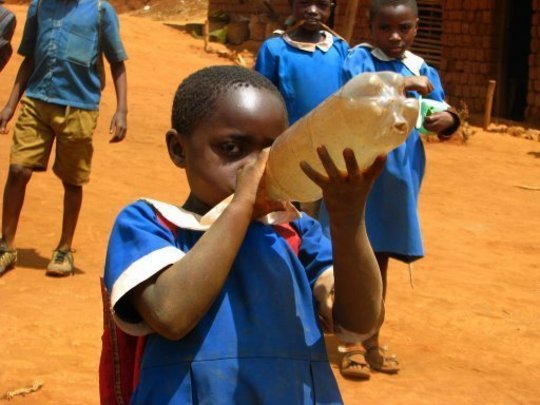
But if water is so important, shouldn't everyone be able to have access to clean water? Unfortunately, no. There are roughly 7 billion people on this planet. But not all of them got access to safe water. In fact, it is estimated that 783 million individuals on Earth are using dirty water for everything from bathing, washing, to drinking. That is about 10% of our entire population who have to use dirty water to live. In some cases, people, mostly girls and women, have to walk for miles to get clean water back to their families using a container. These journeys are usually quite dangerous, and could potentially took their lives. But since they don't have access to clean water, they are willing to risk their lives so their families can have safe water to use. 


So then what is it that make them willing to risk their lives to bring home clean water? For many people, it's because of their children. Even though the risk is high, the body of an adult can survive after consuming dirty water because their immune system is strong. But for little children and babies, their fragile body is not strong enough to protect them against unsanitary water. By using unclean water, they can be vulnerable to a handful of diseases and sicknesses. One of which is diarrhea.


Diarrhea is the second leading cause of child death in the world today. Because of poor sanitation, hygiene, or dirty drinking water, diarrhea took the lives of 700,000 children every year (that's almost 2000 children per day). What is more shocking is that diarrhea killed more children in the last decade than all armed conflicts have done since the World War II. If that sound bad to you, this next fact is going to sound even worse: dirty water killed more children than war, malaria, HIV/AIDS, and traffic accidents combined. So now you know why is it that people are willing to risk their lives for clean water; it's so that their children can live.


Now that we've understood the effects of using unsafe water, let's talk about where it came from. Out of every medical cases related to usage of unsanitary water, most of the victims lived in developing countries. And since these countries don't have a lot of money to spend on processing dirty water, most of it just went straight into streams or rivers. In fact,  90 percent of waste-water produced in underdeveloped countries is discharged untreated into local waters. And since most of the natives don't have access to clean water, they were forced to use dirty, contaminated waters from rivers.


So what can we do to help? In every blogs that I've created, whenever it comes to this part of the blogs, I've always used these plain, uncreative, restricted, and, to be honest, lazy ways in which we can help solving world problems. It's always either "donate to this charity/foundation" or "let people know about this issue so everyone can be aware of how serious it can be. But after a while I decided that it's not going to do any good.


So now I'm trying a new approach in which we can participate in solving these global issues. The main focus of my approach is that "everything matters". So from now on, any time you read mine or anyone else' blogs about global issues, if you are interested in or are willing to help, you can think about what you can do to solve the world issue that you're interested in. Be brave and think of a way that you can lend a hand in solving these world problems. What you do ,no matter how big or small, will be very helpful to society. So don't be afraid and just try your best to do what you think is helpful for the world. And don't think that what you do is meaningless. Because any action, no matter how little and insignificant it may be, if repeated enough, will make a change in society.
Ps: Just don't do anything that is considered illegal or you're going to get in trouble.

Why is water important? : http://science.howstuffworks.com/environmental/earth/geophysics/water-vital-to-life.htm
Water facts: http://blueplanetnetwork.org/water/
http://www.foodandwaterwatch.org/water/interesting-water-facts/
http://water.org/water-crisis/water-facts/water/
http://www.compassion.com/poverty/water.htm

Thứ Năm, 20 tháng 11, 2014

Deforestation

 
  Watch this clip before you read
The clip above that you've just watched is from a movie named "Matrix". In this clip, the main protagonist, Agent Smith, is talking about how human beings are a disease to Earth, that we are just viruses moving from one place to the other, destroying everything in our path. Now I don't know if using virus is a right way to compare humans but what Agent Smith said was not wrong. We humans have been destroying Earth's habitat for centuries, and we're getting better and better at it. Environmental pollution, global warming, species extinction, natural resources depletion... these are just some of the many ways that we are destroying Earth right now. And for what? Money? Power? Success? Who knows? But one thing is for sure, we are corrupting the only place we have to live. If nothing can be done to stop this, one day everything will collapse, and humans will disappear.


So today I'm going to talk to you about one of human's most dangerous way that is destroying Earth: deforestation. Deforestation is pretty self-explanatory. It's the act of destroying forests for non-forest use. One common sight of deforestation that you'll see is farmers burning forests down so they'll have agricultural land. I know the fact that they need land to farm to feed themselves and their families, but I still don't understand why burning forests down is going to bring them any good in the long run.? Forests are the lungs of our planet. They supply Earth with oxygen to sustain not only our life but the life of every other living things on this planet. They are the lungs of our world. So if they are so important, then why would burn them down?


Another common sight is people cutting down forests after forests so they can take the woods and sell them money. Again, why? Considered forest only covered 31% of our planet's land area, you think that it would be a good idea to protect them, right? Those trees provide you with oxygen that you breathe every day. Without oxygen, you wouldn't be alive for more than a minute or two. So why would you cut down the things that are keeping you alive?


Deforestation is happening all around the world, and it's getting worse and worse every day. According to WWF, "12-15 million hectares of forest are lost each year, the equivalent of 36 football fields per minute." That means that by the time it takes for you to reach this sentence, 100 hectares of forests have already been lost. And what does depletion of forests brings? Biodiversity reduced, greenhouse gas emission released, water cycle disrupted, soil erosion increased, livelihood disrupted, all because someone chopped down trees for money.


So how can deforestation be stop? Well the quickest and simplest way to do this is to stop cutting down trees. But how can we stop people from chopping down forests is the problem. According to National Geographic, "Though deforestation rates have slowed a bit in recent years, financial realities make this unlikely to occur." So what now? Well, National Geographic did gave us another solution, that is to manage forest resources. This can be done either by creating areas that protect trees from being cut down or by planting new trees for every tree that got cut down. And this is exactly what the WWF is doing. They are trying to protect Earth's forests by working to reduce deforestation through management, creating protected areas, and promoting sustainable bioenergy. WWF is trying their best to make sure that Earth's lungs stay healthy and so do we.


So what can we do to help stop deforestation? Deforestation happened because people are unaware of the effects that it brings. I think that if we can help spread the word about the seriousness of this problem to everyone, then many people with have knowledge about this issue that is destroying our home. And if enough people know about this, maybe someone will rise up to help WWF, National Geographic or any other organization to fight against deforestation. The important thing is everyone needs to know about this so that in the future, maybe, just maybe, deforestation can be stop, and we can be more than just viruses destroying our home.


Some links about deforestation that you can check out:
http://wwf.panda.org/about_our_earth/about_forests/deforestation/
http://www.livescience.com/27692-deforestation.html
http://environment.nationalgeographic.com/environment/global-warming/deforestation-overview/
http://www.worldwildlife.org/threats/deforestation

Thứ Sáu, 31 tháng 10, 2014

Human Trafficking

Every once in a while the news revisits the topic of human trafficking, saying how terrible it is, how many victims there are, or how hard people are trying to prevent it from happening. And although I found these news to be interesting, they usually don't do that great of a job in helping me recognize the seriousness of the issue. It's usually the same "cops busted a human trafficking scheme", "the head of a human trafficking group was captured and is now awaiting for trial", "girl got kidnap and sell to another country years ago survived and returned"...These news only give us surface information, things that don't really shows how terrible this issue has become. So I decided to dig a little bit deeper to see what really happen inside human trafficking, how big is it in today's society, and why is everyone, especially parents, are concerned about human trafficking?
There are an estimated 27 million slaves in the world today. That’s the highest recorded number of slaves in history
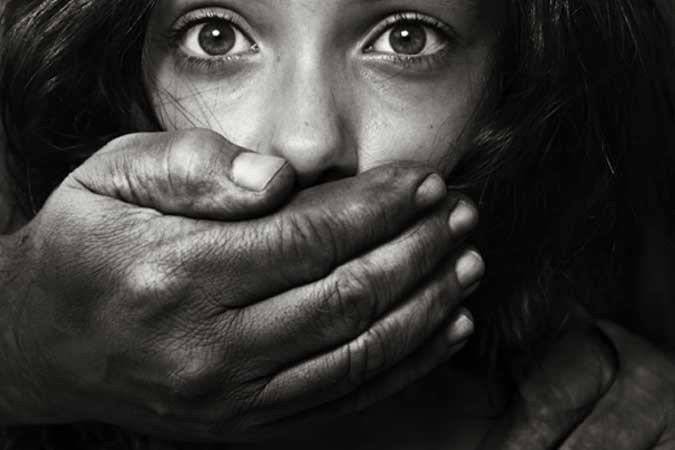
So let's start from the beginning: What is human trafficking? It's basically the same thing as slavery. You kidnap someone, bring them with you, and then exploit them for your own needs. The only thing different is that these perpetrators now have ways to lure poor, innocent people into their trap by promising them of a "bright future". Those people then got sell off to some foreign countries where they are forced to engage in commercial sex or provide labor. In fact, those are the two main things human trafficking is involved in: sex or labor. One other, less common, one is organ harvesting. But today I’m going to mainly focus on the most common thing that human trafficking involved in: sex exploitation.
Approximately 80% of trafficking involves sexual exploitation, and 19% involves labor exploitation.
So what really happened to girls who got taken away against their will to then be sexually exploited? Well first they got captured by dealers. Then they either get sold to someone right after that, or they have to go through the “training phase”. This is when someone would beat and raped them so they can learn sex techniques. When they are ready, dealers would force them to become prostitutes, where they have to have sex with other people even if they want it or not. If they disobey, sex traffickers would use a variety of ways to bring them under control, which includes “subjecting them to starvation, rape, gang rape, physical abuse, beating, confinement, threats of violence toward the victim and victim’s family, forced drug use, and shame”. This results in numerous victims either died during the process or commit suicide to escape their life.
”An estimated 30,000 victims of sex trafficking died each year from abuse, disease, torture, and neglect.”
Since human trafficking is a hidden crime, it’s hard to obtain accurate statistics. But one thing is certain: human trafficking is a huge industry. “Human trafficking is the third largest international crime industry (behind illegal drugs and arms trafficking). It reportedly generates a profit of $32 billion every year. Of that number, $15.5 billion is made in industrialized countries.”This is incredible. People are making billions of dollars from exploiting other people. And half of this money came from industrialized countries. Wow! Who knows rich countries contributes so much into human trafficking. It’s amazing how a business that is considered illegal and violated the most basic of human rights can create that much money. Oh where has our society come to?
“Human trafficking has been identified as the largest human rights violation in the history of mankind”
Now we’re getting to the scary part. Do you remember back when you were young and your parents always said “Don’t follow strangers, honey!” and you would never listen because your mind is busied elsewhere? Well it’s a good thing you are still here today because the age group target for human trafficking is getting smaller and smaller. This means that these traffickers are looking for younger girls to kidnap and to turn them into sex slaves. That’s right! You’ve heard me. YOUNG FREAKING GIRLS!!! As in little middle school students who haven’t even fully developed yet. And human traffickers are targeting them? That is just sick and wrong is so many many many ways. I’m actually feeling really uncomfortable typing these words out. Freaking little kids! And it’s not just one or two kids; it’s an estimate of 13 million worldwide. 13 million kids around the world are being forced to engage in commercial sex right now. Just imagine the damage it can bring to those sweet, innocent minds. They may be scar forever because of this. Some might even think about ending their own lives. A part of humanity who is involved in human trafficking might have already lost their human features because they make kids have sex to gain money. It’s depressing to hear how some people can be so low to even do such a thing. It’s just unbelievable.
 
According to a 2009 Washington Times article, the Taliban buys children as young as seven years old to act as suicide bombers. The price for child suicide bombers is from $7,000 to $14,000.
So how can you stop something that big and that horrifying? Well as a student, I don’t think there is much we can do except spreading the knowledge and donating for organizations who fought everyday to prevent human trafficking from happening to as many people as they can. I think the best thing we can do now as students is to inform everyone about the human trafficking and make sure that everyone is well-aware of the danger. Doing this can help people avoid being victims to this horrible tragedy. Even if we can’t save people who already got caught up in human trafficking, we can still protect our family, our friends, and our love ones from falling into the hands of these evil, cold-blooded, inhumane, money-crazed, and disgrace people we call human traffickers.

Facts about human trafficking:  
What you can do to help?